Differential thread connector – a multi purpose threaded fastener
Applications
The demonstrated applications in this section are based on differential thread connectors of the same size, M10 threads outside and M6 threads inside.
Elements of wood
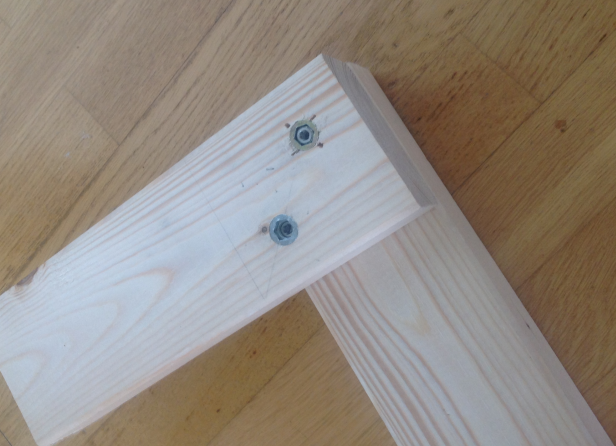
The threaded fixing points installed in wood or wood based materials (e.g. MDF, particle board) are threaded inserts screwed or pressed into the wood, with or without flange, eventually strengthened with epoxy.
Almost hidden connections are possible, with only a hole for the hex-tools visible.
Elements of wood can be linked to elements of other materials.
Objects with threaded inserts, M10 sighted and M6 blind. Threaded pin and connector
Objects connected and clamped
Objects of wood connected by threaded inserts. 2x10M in object 1, 2x6M (blind) in object 2
Spice plates of cross wood (both sides) connected by claw nuts (10M and 6M)
Panels
Panels of particle board connected with threaded inserts
Panels of particle board connected by plastic corner blocks with tapped M10 fixing points, and M6 inserts in panels
Elements of metal
Elements of metal with tapped holes as fixing points, the fixing points can be strengthened with self-tapping steel inserts (e.g. in aluminium elements).
Stiffness of the connection is obtained by reduced grip length and bolt hole clearance.
When clamping the connection there is friction only in the threaded parts of the fastener.
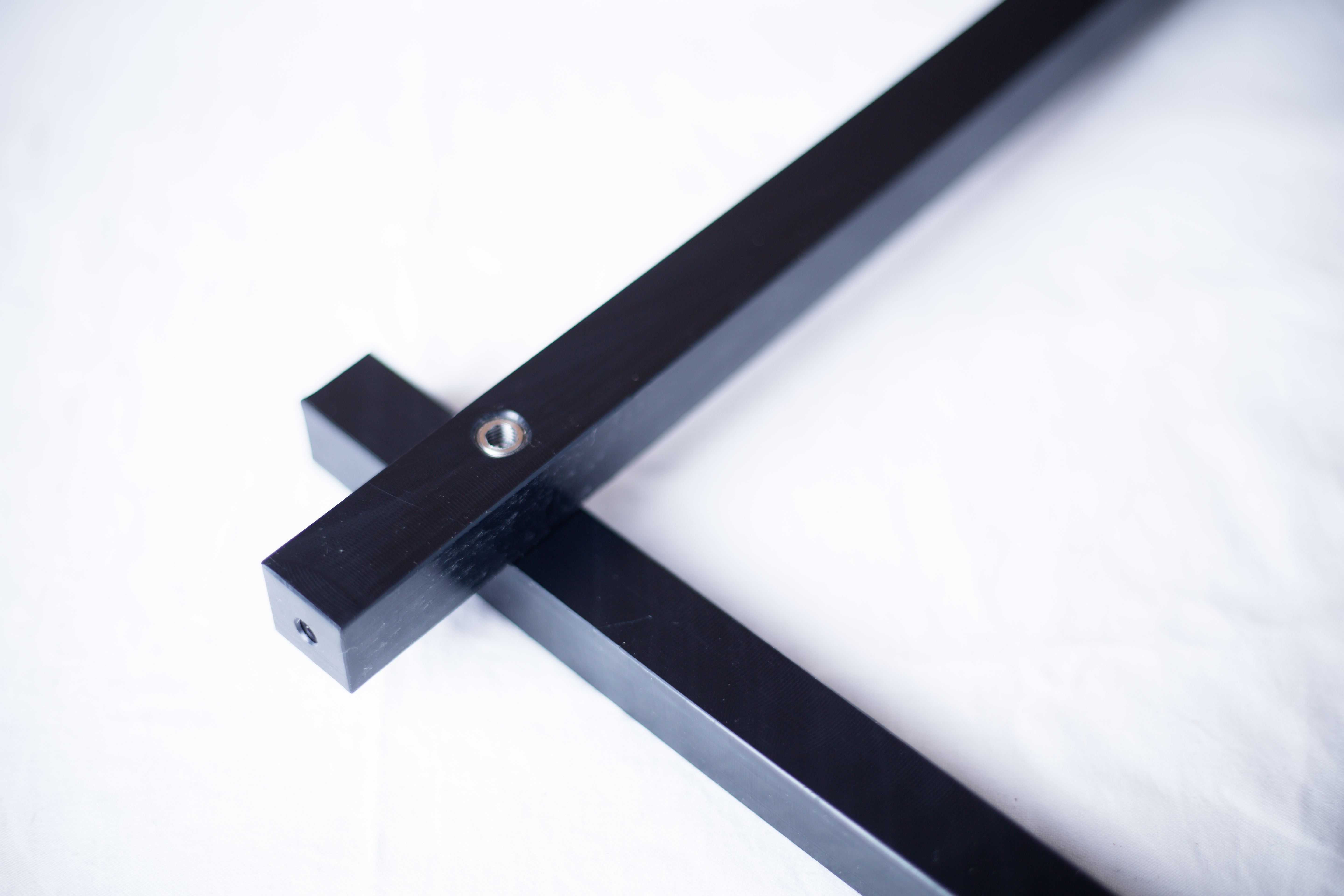
Metal bars connected, tapped M10 hole linked to blind tapped M6 hole
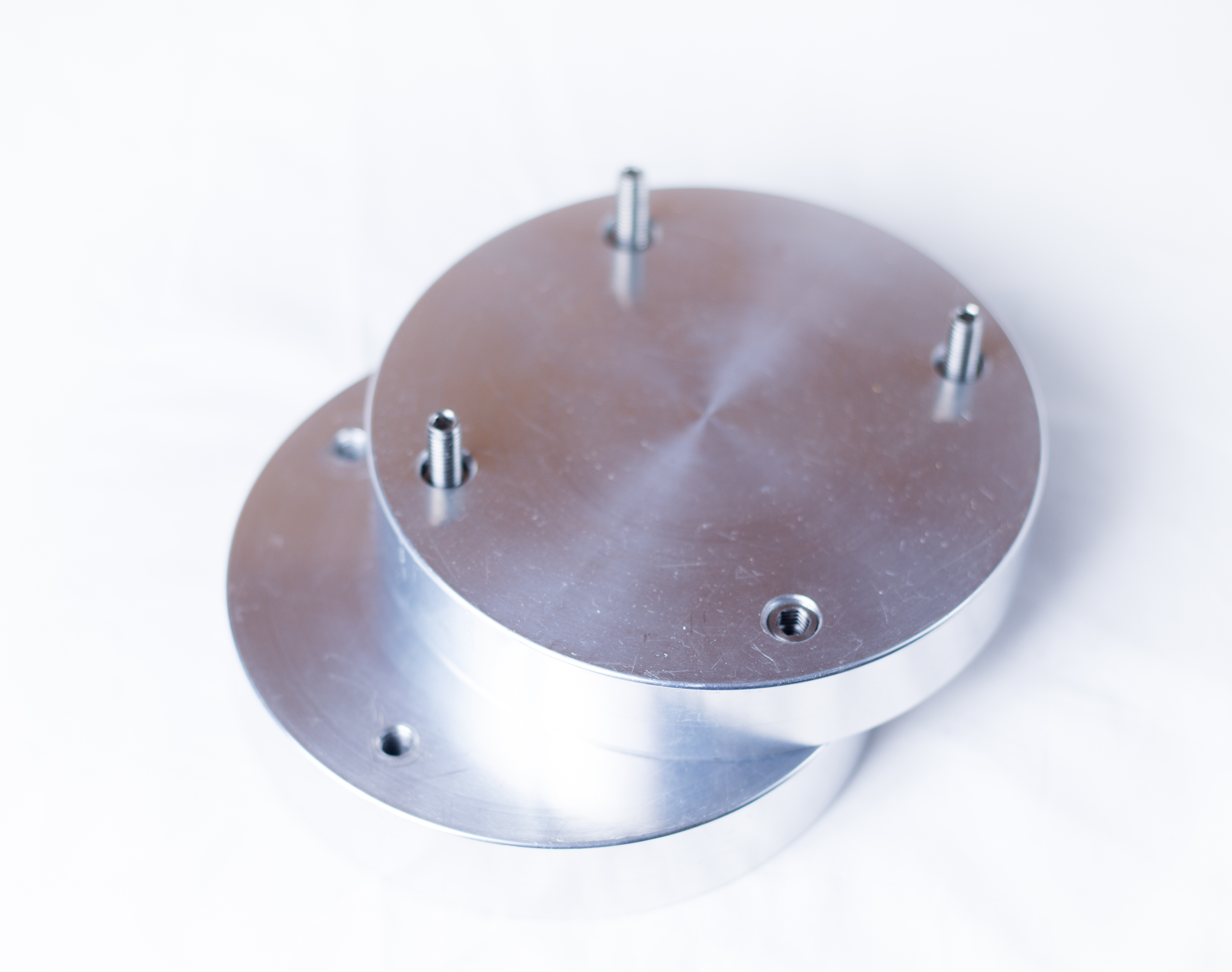
Aluminum parts connected. Tapped M10 holes linked to blind tapped M6 holes
Composite or plastic elements
Threaded inserts that are glued, potted or otherwise fastened to materials with low coherence are used as fixing points.
The differential thread fastener enables the connection of such elements.
Composite panels connected by glued-on inserts. M10 upper panel. M6 lower panel. Load distribution of fasteners in both panels
Composite panel with glued-on M10 fasteners connected to M6 tapped blind fixing points of a plastic object






 Difcon